
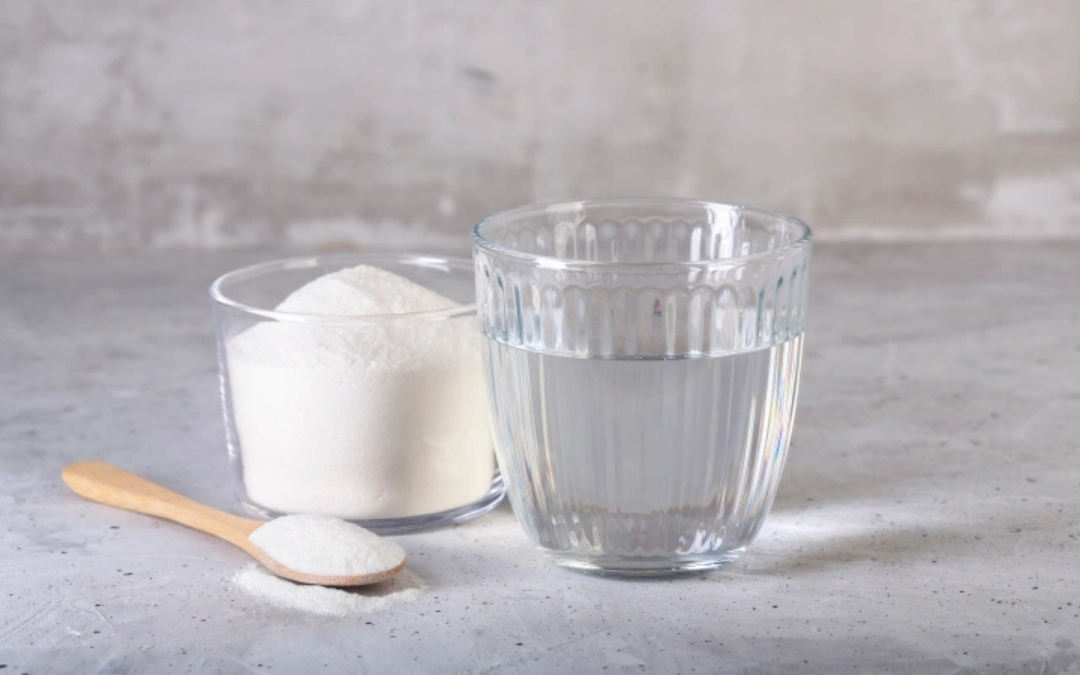
Salt water rinses are one of those remedies most people hear about long before they ever sit in a dental chair. Whether it’s advice from a parent or something picked up online, many people reach for salt and warm water when their gums feel sore or swollen. While it may sound old-fashioned, salt water does have real benefits for gum health. The key is understanding what it can—and cannot—do for periodontal disease.
Periodontal disease develops when bacteria build up along and below the gumline. Over time, this causes the gums to become inflamed and pull away from the teeth. In the early stages, symptoms may feel mild, such as tenderness or bleeding when brushing. This is often where salt water rinses can offer some comfort, especially when used consistently.
A salt water rinse works by gently flushing the mouth and reducing the number of bacteria that thrive in inflamed gum tissue. It also helps balance the oral environment, which can calm irritation and make the gums feel less sensitive. Many people who consult a dentist in Webster are advised to use salt water rinses alongside professional care, particularly during the early stages of gum inflammation or after deep cleanings.
Another reason salt water is helpful is its effect on healing. Warm salt water increases blood flow to the gums, which supports the body’s natural repair process. This can make a noticeable difference when gums feel sore, irritated, or tender, especially after brushing or flossing sensitive areas.
How Salt Water Helps Gum Health
When used properly, salt water rinses offer several practical benefits:
- Reduces harmful bacteria: Helps limit bacteria that contribute to gum inflammation
- Calms irritated gums: Soothes swelling and discomfort
- Supports healing: Encourages recovery of irritated gum tissue
- Affordable and accessible: No special products required
- Easy to maintain: Simple to include in daily oral care
What Salt Water Can’t Fix
Although salt water is helpful, it has clear limitations. It does not remove plaque or hardened tartar, which are the primary causes of periodontal disease. Once gum disease progresses beyond the early stage, home care alone is not enough.
Salt water also provides symptom relief rather than a permanent solution. It may make gums feel better, but it does not stop bone loss or repair damaged supporting structures. Using a solution that’s too strong or rinsing too often can also irritate the gums instead of helping them.
How to Use a Salt Water Rinse Safely
What you need:
- 1 cup of warm water
- ½ to 1 teaspoon of non-iodized salt
Steps:
- Dissolve the salt completely in warm water
- Swish gently around the mouth for 30–60 seconds
- Focus on the gumline and sensitive areas
- Spit out the solution
- Repeat up to 2–3 times a day
Avoid swallowing the solution and avoid overuse.
Final Thoughts
Salt water rinses can be a useful addition to your oral hygiene routine, especially for soothing irritated gums and supporting early periodontal care. However, they work best when paired with brushing, flossing, and routine dental visits. Gum disease is progressive, and professional care is essential to protect long-term oral health. If you’re experiencing ongoing gum discomfort or signs of periodontal disease, it’s important to schedule an appointment for proper evaluation and treatment.
FAQs About Salt Water and Periodontal Disease
Can salt water cure periodontal disease?
No. Salt water can help manage symptoms but cannot cure periodontal disease or reverse damage.
Is salt water helpful for bleeding gums?
It may reduce mild bleeding caused by inflammation, but ongoing bleeding should be evaluated by a dentist.
How often should salt water rinses be used?
Two to three times a day is generally safe. More frequent use may irritate gum tissue.
Can salt water replace mouthwash or dental treatment?
Salt water can support gum comfort, but it does not replace therapeutic mouthwashes or professional care.
When should I stop using home remedies and see a dentist?
If you notice bleeding gums, persistent swelling, bad breath, or gum recession, it’s important to see a dentist promptly rather than relying solely on home remedies.