
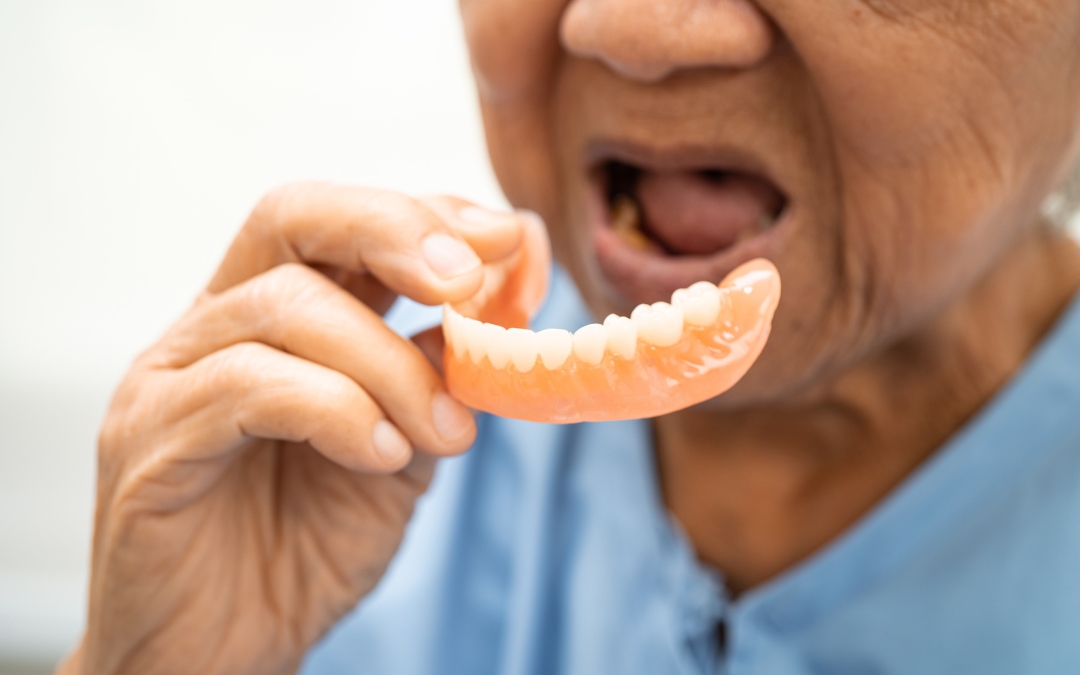
Dentures are designed to help you smile, eat, and speak with confidence after losing natural teeth. But over time, many people notice that their dentures no longer feel as secure as they once did. They may shift while eating, rub against the gums, or move around during conversations. Even simple daily activities can start to feel uncomfortable.
The good news is that this is a common experience for denture wearers. Your mouth naturally changes over the years, and those changes can affect how your dentures fit. Instead of trying to ignore the discomfort, it’s important to address the issue early before it leads to irritation or difficulty eating properly.
A skilled dentist can examine your dentures and determine whether they need an adjustment, relining, or replacement. Many patients searching for reliable denture care choose Giangreco Family Dental for comfortable and personalized treatment in Webster.
Why Dentures Stop Fitting Properly
Dentures rarely stay exactly the same forever because your mouth continues to change after tooth loss.
Your Jawbone Changes Over Time
Natural teeth help stimulate the jawbone. Once teeth are missing, the bone underneath slowly begins to shrink. As the jawbone becomes smaller, dentures may lose the snug support they once had.
Daily Use Causes Wear
Dentures handle a lot of pressure every day from chewing, talking, and cleaning. Over time, the material can wear down slightly, which may affect the fit.
Gum Shape Can Shift
Your gums may gradually change shape as you age. Even small changes can make dentures feel less stable or create tiny gaps that lead to movement.
Signs Your Dentures May Be Too Loose
Some people notice looseness immediately, while others experience small changes that slowly become more noticeable.
Common signs include:
- Dentures moving while eating
- Clicking sounds when speaking
- Trouble chewing harder foods
- Gum irritation or sore spots
- Dentures slipping during conversations
- Food collecting underneath the denture
If these problems continue happening, it may be time to schedule a visit with a dentist.
Small Things That May Help at Home
Temporary fixes can sometimes improve comfort for a short period of time.
Keep Dentures Clean Every Day
Dentures fit better when they are free from leftover adhesive and food buildup.
A good routine includes:
- Brushing dentures gently every morning and night
- Using a denture cleanser instead of regular toothpaste
- Removing old adhesive completely before reapplying
- Soaking dentures overnight in a denture solution
Hot water should always be avoided because it can change the shape of the denture.
Use Adhesive the Right Way
Many people assume using more adhesive will solve the problem, but too much can actually make dentures feel bulky or uneven. A thin layer is usually enough.
Consider Temporary Cushioning Products
Soft denture liners sold in stores may help reduce movement for a short time. Some people also try at-home reline kits for extra comfort.
These products may help temporarily, but they are not meant to replace professional dental care.
When You Should See a Dentist
Sometimes loose dentures need more than a simple home adjustment.
You should make an appointment if you notice:
- Ongoing pain or gum irritation
- Difficulty chewing meals comfortably
- Cracks or damage in the denture
- Dentures falling out of place often
- Swelling or sores in the mouth
- Trouble speaking clearly because of movement
A dentist can evaluate what’s causing the looseness and recommend the best solution.
Treatment Options for Loose Dentures
Modern dental care offers several ways to improve the fit and comfort of dentures.
Denture Relining
A reline reshapes the inside of the denture so it fits the current shape of your gums more accurately. This is one of the most common solutions for loose dentures.
Denture Rebasing
If the denture teeth are still in good condition but the base has worn down, the base can sometimes be replaced without making a completely new denture.
Implant-Supported Dentures
Some patients choose implant-supported dentures for added stability. Dental implants are placed in the jawbone to help secure the denture more firmly.
This option often helps reduce slipping and improves chewing comfort.
Ways to Help Dentures Fit Better Longer
Although natural mouth changes cannot always be prevented, good habits can help extend the life of your dentures.
Maintain a Consistent Cleaning Routine
Keeping dentures clean every day helps maintain both comfort and oral health.
Handle Dentures Carefully
Dropping dentures on a hard surface can affect their shape or cause damage.
Visit Your Dentist Regularly
Routine dental appointments allow small fit issues to be corrected before they become more uncomfortable.
Focus on Overall Oral Health
A healthy diet and proper oral care habits can support healthier gums and jawbone structure.
Final Thoughts
Loose dentures can become frustrating, especially when they begin affecting your ability to eat or speak comfortably. Fortunately, there are several ways to improve the fit and feel of your dentures, ranging from small adjustments to long-term solutions like implant-supported dentures.
The sooner the issue is addressed, the easier it is to prevent further irritation and discomfort. Regular checkups and proper denture care can go a long way toward keeping your smile comfortable and secure.
If your dentures feel unstable or uncomfortable, schedule an appointment with Giangreco Family Dental in Webster for a personalized denture evaluation.
Frequently Asked Questions
Why do dentures become loose over time?
Dentures usually loosen because the jawbone and gums naturally change shape after tooth loss.
Can loose dentures hurt my gums?
Yes. Dentures that move too much can create sore spots, irritation, and inflammation.
How often should dentures be checked?
Most patients benefit from regular dental visits to make sure their dentures still fit properly and comfortably.
Is denture adhesive enough to fix loose dentures?
Adhesive may help temporarily, but ongoing looseness often requires professional adjustment or relining.
Can dental implants make dentures more secure?
Yes. Implant-supported dentures are designed to provide additional stability and reduce movement while eating or speaking.