
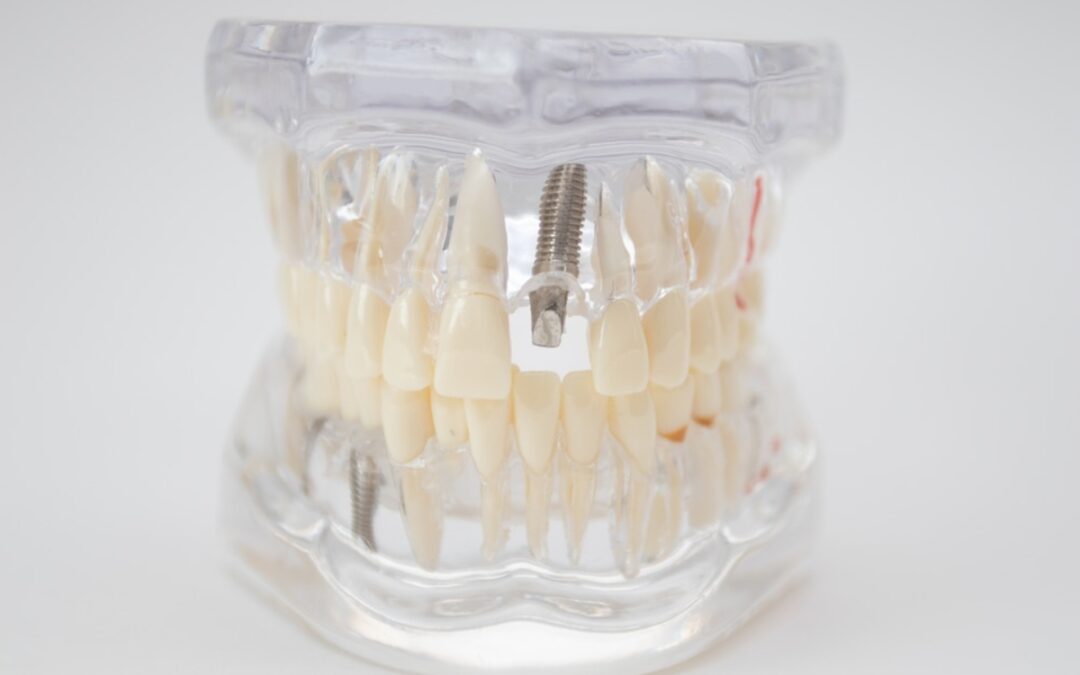
At Giangreco Family Dental in Webster, we understand that investing in dental implants to replace a missing tooth is a significant step towards restoring your smile and oral health. But the journey doesn’t end after the implant placement. Maintaining healthy gums is crucial for ensuring the longevity and success of your implants. We will guide you through essential practices to keep your gums in top condition, supporting your implants for years to come.
The Importance of Gum Health for Implant Success
Your gums, or gingiva, play a vital role in supporting your teeth and, consequently, your dental implants. Healthy gums provide a stable foundation, preventing issues like peri-implantitis, an inflammation of the gum tissue and bone surrounding the implant. This condition can lead to implant failure if left untreated. Therefore, prioritizing gum health is paramount to protecting your investment.
Daily Oral Hygiene: The Cornerstone of Gum Care
Consistent and effective oral hygiene practices are the first line of defense against gum problems. Here’s a breakdown of essential routines:
Brushing Techniques:
- Brush your teeth at least twice a day, using a soft-bristled toothbrush.
- Pay special attention to the areas around your implants, gently cleaning the gum line.
- Consider using a low-abrasive toothpaste to avoid damaging the implant or surrounding tissues.
Flossing and Interdental Cleaning:
- Flossing daily removes plaque and food particles from between teeth and around the implant.
- Use dental floss or interdental brushes designed for implants to reach hard-to-clean areas.
- These specialized tools can help prevent bacteria buildup that can lead to gum inflammation.
Antimicrobial Mouthwash:
- Rinsing with an antimicrobial mouthwash can further reduce bacteria in your mouth.
- Choose a mouthwash recommended by your dentist, especially one designed to promote gum health.
Regular Professional Cleanings and Check-ups
While daily home care is essential, professional cleanings and check-ups at Giangreco Family Dental in Webster are equally important.
Routine Dental Visits:
- Schedule regular appointments with your dentist for professional cleanings and examinations.
- These visits allow your dentist to assess the health of your gums and implants, identifying any potential issues early on.
Scaling and Root Planing:
- If plaque and tartar have accumulated below the gum line, your dentist may recommend scaling and root planing.
- This deep cleaning procedure removes bacteria and smooths the tooth roots, promoting gum healing.
Implant Assessment:
- Your dentist will perform an implant assessment during your appointment. This includes checking the stability of the implant and the health of the surrounding gum tissue.
- X-rays may be taken to monitor bone levels and ensure the implant is properly integrated.
Lifestyle Factors That Impact Gum Health
Certain lifestyle habits can significantly affect your gum health and the longevity of your dental implants.
Smoking Cessation:
- Smoking restricts blood flow to the gums, impairing healing and increasing the risk of peri-implantitis.
- Quitting smoking is one of the best things you can do for your oral health.
Balanced Diet:
- A nutritious diet rich in vitamins and minerals supports gum health and overall well-being.
- Limit sugary and acidic foods and drinks, which can contribute to plaque buildup and gum inflammation.
Managing Systemic Conditions:
- Conditions like diabetes can affect gum health.
- Proper management of these conditions is crucial for maintaining healthy gums and supporting your implants.
Minimize teeth grinding:
- Bruxism or teeth grinding, can put undue stress on implants.
- A nightguard provided by your dentist can prevent damage.
Recognizing Signs of Gum Problems
Being aware of the signs of gum problems can help you seek prompt treatment and prevent complications.
Red or Swollen Gums:
- Inflammation of the gums is a common sign of gum disease.
Bleeding Gums:
- Bleeding while brushing or flossing indicates gum irritation and potential infection.
Receding Gums:
- Gums pulling away from the teeth or implants can expose the roots and increase the risk of infection.
Persistent Bad Breath:
- Halitosis can be a sign of bacterial buildup and gum problems.
Loose Implant:
- A loose implant is a serious issue requiring immediate dental attention.