
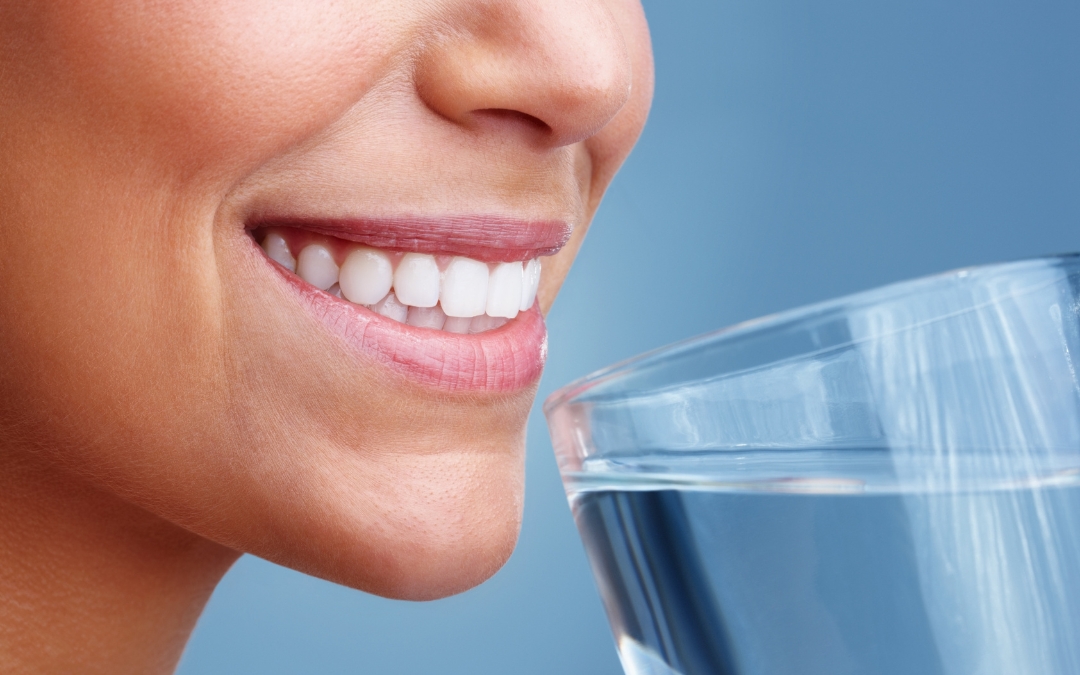
A healthy smile often comes down to everyday habits. While brushing and flossing get most of the attention, something as simple as drinking enough water can quietly protect your teeth and gums. Many people don’t realize how closely hydration and oral health are connected until they start noticing issues like mouth dryness, bad breath, or increased sensitivity.
Across Webster, busy routines, seasonal weather shifts, and on-the-go lifestyles can make it easy to forget about staying hydrated. Yet water is one of the easiest tools for cavity prevention and maintaining a balanced mouth environment.
When visiting a Webster dentist, patients are often surprised to learn that improving oral health doesn’t always require major changes. Sometimes, it starts with reaching for a glass of water more often.
A trusted dentist will usually look beyond brushing habits and consider daily hydration patterns because saliva flow plays a critical role in protecting teeth. Understanding how water supports your mouth can help you make small adjustments that lead to long-term benefits.
Why Hydration Matters More Than You Think
Your mouth functions best when it stays moist. Water supports nearly every protective mechanism your body uses to maintain oral health.
Supports Natural Saliva Flow
Saliva is your mouth’s built-in defense system. It helps:
- Wash away food particles
- Neutralize harmful acids
- Deliver minerals that strengthen enamel
- Reduce bacterial buildup
Research published by the American Dental Association shows that saliva is essential for maintaining oral balance and lowering the risk of tooth decay. When saliva flow drops, teeth become more vulnerable.
Drinking water throughout the day encourages steady saliva production, which is especially helpful for people who experience frequent mouth dryness.
Helps Reduce Acid Exposure
After meals, bacteria in the mouth produce acids that can slowly weaken enamel. Water helps dilute these acids and restore a healthier pH level.
This is particularly important for those who snack often or drink coffee throughout the day — habits commonly discussed during visits with a Webster dentist.
The Connection Between Mouth Dryness and Tooth Decay
Mouth dryness isn’t just uncomfortable; it can increase your risk of dental problems.
What Causes Dry Mouth?
Several everyday factors contribute to reduced moisture, including:
- Dehydration
- Certain medications
- High caffeine intake
- Alcohol consumption
- Cold-weather indoor heating
Data from the National Institute of Dental and Craniofacial Research suggests that dry mouth affects roughly 1 in 5 adults, with higher rates among older populations.
Without adequate saliva, plaque tends to accumulate faster, raising the likelihood of cavities and gum irritation.
Early Signs to Watch For
Consider mentioning these symptoms during your next dental visit:
- A sticky or dry feeling
- Trouble swallowing
- Persistent bad breath
- Increased tooth sensitivity
- Cracked lips
A dentist can help determine whether hydration habits are contributing to these issues and recommend practical adjustments.
How Water Supports Cavity Prevention
Many people think cavity prevention begins and ends with brushing. In reality, water plays an ongoing protective role between those routines.
Strengthens Enamel With Fluoride
Most community water systems in the U.S. contain fluoride at safe, recommended levels. According to the Centers for Disease Control and Prevention, fluoridated water reduces cavities by about 25% in children and adults.
Choosing water over sugary beverages is a simple shift that supports oral health without adding extra effort.
Rinses Away Food Debris
Drinking water after meals acts like a gentle rinse when brushing isn’t immediately possible. This is especially useful during workdays or while running errands around Webster.
Many dentists suggest this habit because it helps limit bacterial growth until you can properly clean your teeth.
Is Bottled Water Just as Helpful?
It depends on the source.
Some bottled waters lack fluoride, which means they don’t provide the same enamel-strengthening benefits as tap water. If bottled water is your primary choice, checking the label can help you understand what you’re getting.
A Webster dentist may recommend balancing bottled and tap water if fluoride intake is low.
Hydration Habits That Protect Your Smile
Small, consistent actions often have the biggest impact on oral health.
Practical Tips for Staying Hydrated
- Carry a reusable water bottle
- Drink water after every meal
- Replace one sugary drink per day with water
- Increase intake during hot or active days
- Sip water when consuming acidic foods
Many patients notice improvements in mouth comfort within days of increasing their water intake.
Don’t Wait Until You Feel Thirsty
Thirst is actually a late signal from your body. By the time you feel it, mild dehydration may already be affecting saliva flow.
Creating a steady hydration routine supports both overall wellness and oral health.
Local Lifestyle Factors That Influence Hydration
Living in Webster often means balancing work, family responsibilities, and community activities. Whether commuting, attending school events, or enjoying local parks, it’s easy to underestimate daily water needs.
Seasonal changes can also affect hydration. Heated indoor air during colder months and outdoor activity in warmer weather both contribute to moisture loss.
A dentist frequently helps patients recognize these patterns and adjust habits before they lead to oral health concerns.
When to Talk With a Dentist About Dry Mouth
Occasional dryness is normal, but persistent symptoms deserve attention.
Consider scheduling a visit if you notice:
- Ongoing dryness despite drinking water
- Frequent cavities
- Gum tenderness
- Changes in taste
- Difficulty speaking comfortably
A dentist can evaluate underlying causes and suggest targeted solutions that support long-term oral health.
The Bigger Picture: Water as Preventive Care
Preventive dentistry isn’t only about what happens in the dental chair. Daily behaviors shape the condition of your teeth and gums far more than most people realize.
Water supports:
- Balanced bacteria levels
- Stronger enamel
- Comfortable oral tissues
- Better breath
- Reduced plaque buildup
When combined with regular checkups, hydration becomes a simple but effective form of protection.
If you’ve been experiencing mouth dryness or want personalized guidance on improving oral health, consider scheduling an appointment with a Webster dentist who can evaluate your habits and help you build a prevention-focused routine.
Frequently Asked Questions
How much water should I drink for good oral health?
While needs vary, many health experts suggest about 8 cups per day. If you’re active or live in a dry environment, you may need more to maintain healthy saliva flow.
Can drinking water really prevent cavities?
Water alone isn’t a replacement for brushing and flossing, but it significantly supports cavity prevention by rinsing away debris and helping neutralize acids.
Is dry mouth always caused by dehydration?
Not always. Medications, medical conditions, and lifestyle factors can contribute. A dentist can help identify the cause.
Should I drink water after every meal?
Yes. Even a few sips can help clear leftover food particles until you’re able to brush.
Does sparkling water affect oral health?
Plain sparkling water is generally safe, but flavored varieties may contain acids. Moderation is key.
Final Thoughts
Protecting your smile doesn’t always require complicated changes. Sometimes, the most effective step is also the simplest: drinking enough water. By supporting saliva flow, reducing mouth dryness, and aiding cavity prevention, hydration quietly strengthens your oral health every day.
If it has been a while since your last dental visit or you want guidance tailored to your habits, connecting with a trusted dentist can provide clarity and reassurance.