
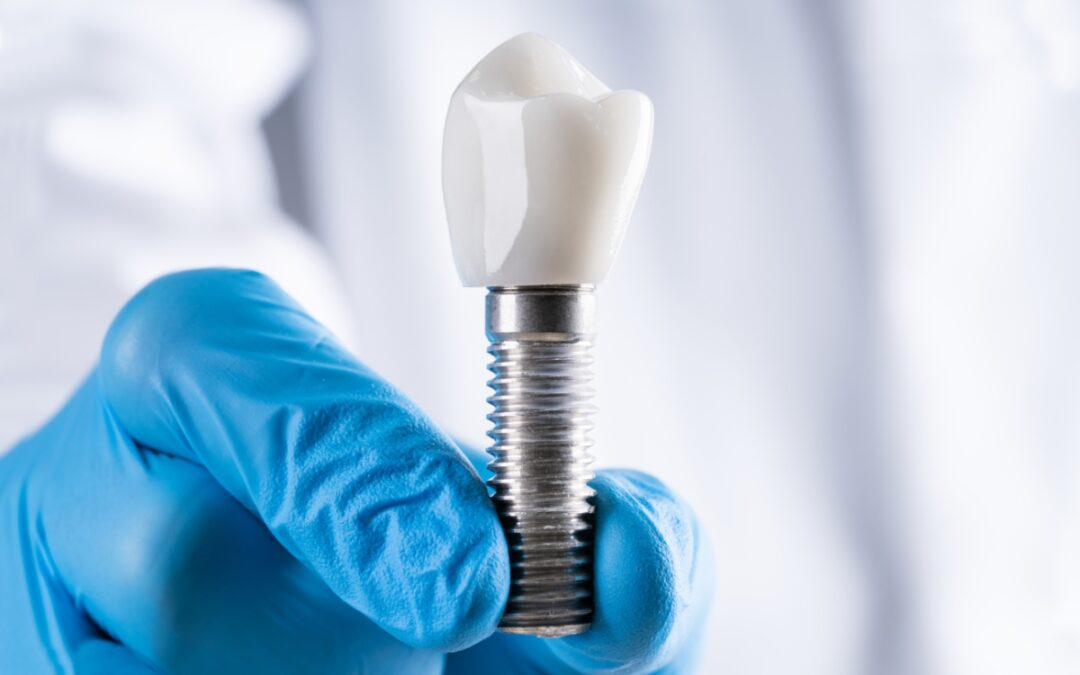
Dental implants have become one of the most popular and effective ways to replace missing teeth. They provide a lifelong, long-lasting, and natural-looking treatment. These implants entail inserting a titanium post into the mandible through surgery. The post is then fused with the bone to create a secure foundation for a replacement tooth.
Dental implants can change lives, but not everyone is a good candidate for them. Specific health and lifestyle factors can impact the success of implants, so understanding the candidacy criteria is essential. If you’re considering dental implants in Webster, learn what makes a good implant candidate.
What Are Dental Implants?
Dental implants are artificial tooth roots made of biocompatible titanium placed into the jawbone to support a crown, bridge, or denture. A long-lasting, strong solution that resembles a natural tooth in appearance and functionality is produced by this process.
Dental implants offer a range of benefits, including improved chewing, enhanced appearance, and better oral health. Only a select few, though, are good candidates for this process. Let’s explore what factors contribute to a successful implant experience.
Evaluating Good Candidates for Dental Implants
Dental implants require a stable foundation and healthy surrounding tissues. Generally, dentists look for the following characteristics in potential candidates to ensure the implant’s longevity and success:
Non-Smokers
Non-smokers are ideal candidates for dental implants because smoking can complicate the healing process and affect long-term success. Smoking reduces blood flow to the gums, leading to slower healing times and an increased risk of infection. Quitting smoking before the procedure can significantly improve your chances of implant success.
Healthy Gums
Healthy gums are essential for a strong foundation. Gum disease or other periodontal issues can weaken the gums and bones that support implants, leading to complications. If a patient has gum disease, treating the condition before proceeding with implants is usually recommended. This ensures a healthier environment for the implant, minimizing risks.
Sufficient Bone Density in the Jaw
A strong jawbone is necessary for dental implants to firmly anchor. Due to a lack of stimulation, the jawbone in that region may atrophy once a tooth is gone. If there is insufficient bone to sustain the implant, a bone graft treatment can be required. Bone grafts help regenerate lost bone, creating a stronger foundation for the implant.
Good Oral Hygiene
A commitment to good oral hygiene is vital for implant success. Candidates who regularly brush, floss, and attend dental check-ups can better maintain their implants. Poor oral hygiene can lead to infections or peri-implantitis, a condition similar to gum disease but affecting implants.
Maintaining a healthy mouth helps ensure the implant remains stable and functional for years.
Meeting these criteria can increase the likelihood of a successful dental implant, providing a durable and natural-looking solution for missing teeth.
Potential Risks for Certain Candidates
While dental implants are generally highly successful, specific individuals may face a higher risk of complications. Here are some factors that might increase the likelihood of implant failure or may require additional treatments before implant placement:
Smokers: Smoking raises the risk of infection, interferes with healing, and alters blood flow. As a result, smokers have higher rates of implant failure.
Individuals with Untreated Gum Disease: Gum can cause inflammation and infection around the implant site, compromising its stability and success. Patients with untreated gum disease are often advised to address these issues before considering implants.
Low Bone Density: Insufficient jawbone density can prevent proper implant integration. A bone graft may be necessary for those with significant bone loss, adding time and cost to the procedure.
Chronic Health Conditions: Conditions like diabetes or autoimmune disorders can affect healing and increase the risk of complications. However, well-controlled cases may still be eligible with proper planning and consultation with the dentist.
These factors don’t necessarily disqualify someone from receiving implants, but they may require additional treatments or lifestyle adjustments to ensure the best possible outcome.
Determining if you’re a good candidate for dental implants involves a combination of health, lifestyle, and oral care considerations. For those who meet these conditions, implants can provide a remarkable, lasting solution to tooth loss, helping restore function. To discuss your suitability for dental implants in Webster, reach out to Giangreco Family Dental for a