
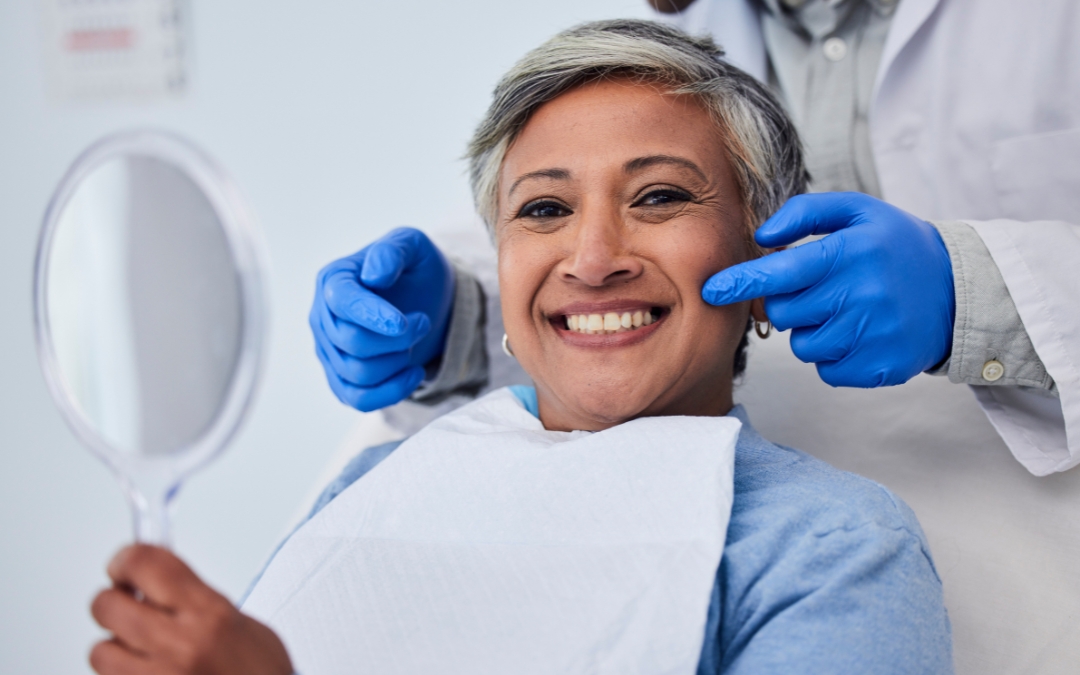
There’s a moment many people notice it—maybe in a photo, maybe in the mirror. Your smile doesn’t look quite the same as it used to. It’s not dramatic, just subtle changes. Teeth look a little darker, edges seem slightly worn, and the overall brightness feels… muted.
It’s a normal part of getting older, but that doesn’t mean you have to ignore it.
Today, more adults are exploring aging teeth cosmetic treatment as a way to bring back a smile that feels familiar again. Not a different smile—just a refreshed version of their own. And that’s exactly what modern cosmetic dentistry aims to do: restore, not replace.
What Actually Happens to Teeth Over Time?
Teeth go through a lot over the years. Every cup of coffee, every meal, every bite adds up. Even if you’ve taken good care of your teeth, natural changes still happen.
Some of the most common ones include:
- Discoloration from years of coffee, tea, wine, or smoking
- Gradual thinning of enamel, making teeth look darker
- Small chips or flattening from everyday wear
- Gum recession, which can make teeth look longer
- Slight shifting that changes how your smile lines up
The American Dental Association (ADA) notes that enamel erosion and staining are especially common as we age, even in people with strong oral hygiene habits. If you want to read more, you can visit: https://www.ada.org
These changes are gradual, which is why many people don’t notice them right away—but over time, they can affect both appearance and confidence.
Can Cosmetic Dentistry Really Help?
In a practical sense, yes—it can make a noticeable difference.
Cosmetic dentistry doesn’t stop aging, but it can address the visible signs. The goal isn’t perfection. It’s balance. A smile that looks healthy, natural, and in sync with the rest of your face.
Many people who visit a cosmetic dentist Webster aren’t looking for a dramatic transformation. They just want to feel more like themselves again. And often, that comes from small, well-planned improvements.
Common Treatments That Help Refresh Aging Teeth
Whitening for a Brighter Look
One of the easiest ways to improve your smile is through professional whitening. Years of staining can leave teeth looking dull, even if they’re healthy.
Whitening helps by:
- Lifting deep-set stains
- Brightening overall tone
- Creating a cleaner, fresher look
It’s often the first step in smile rejuvenation and can make a bigger difference than people expect.
Veneers for Worn or Uneven Teeth
When teeth show more noticeable signs of aging—like chips, uneven edges, or deeper discoloration—veneers can help restore a smoother, more even appearance.
They are thin coverings placed on the front of teeth and are designed to:
- Improve shape and symmetry
- Cover stains that whitening can’t fix
- Restore edges affected by wear
A cosmetic dentist Webster may suggest veneers if you’re looking for longer-lasting results that still feel natural.
Bonding for Small Fixes
Not every issue needs a major treatment. Dental bonding is a simple way to repair minor chips or reshape small areas.
It’s a good option because:
- It requires little to no removal of natural tooth structure
- It can often be done in a single visit
- It blends in with your natural teeth
For many people, this is a practical way to address early signs of aging without overdoing it.
Subtle Reshaping and Contouring
Sometimes, the smallest adjustments create the biggest difference. Slight reshaping can smooth uneven edges and improve how your teeth line up visually.
When paired with whitening, this can give your smile a more balanced, refreshed look without major procedures.
Addressing Changes in the Gum Line
As gums naturally recede, teeth can appear longer or uneven. In certain cases, adjusting the gum line can help bring everything back into proportion.
This isn’t for everyone, but when needed, it can make a noticeable difference in overall appearance.
What Smile Rejuvenation Really Feels Like
The idea of smile rejuvenation isn’t about chasing a perfect smile. It’s about feeling comfortable again when you smile, talk, or laugh.
For some people, that might mean whitening alone. For others, it could involve combining treatments like veneers and bonding.
Studies have shown that people who feel confident about their smile are more likely to engage socially and feel positive about their appearance. It’s not just cosmetic—it’s personal.
How Do You Choose the Right Approach?
There isn’t a single answer that works for everyone. What you need depends on your teeth, your goals, and how much change you’re comfortable with.
Things to consider include:
- How much discoloration or wear you have
- Whether you want subtle or more noticeable changes
- Your long-term expectations
Talking with a cosmetic dentist Webster can help you sort through these options in a way that feels manageable—not overwhelming.
Keeping Your Smile Looking Good Over Time
Once you’ve made improvements, a little care goes a long way in maintaining them.
Simple habits help:
- Brushing and flossing regularly
- Cutting back on staining drinks when possible
- Scheduling routine cleanings
- Using touch-up whitening if needed
Aging doesn’t stop, but these steps can slow down its effects on your smile.
FAQs About Aging Teeth Cosmetic Treatment
Will my teeth still look natural after treatment?
Yes, that’s the goal. Most modern treatments are designed to blend in, not stand out.
Is whitening enough on its own?
It can be, especially if discoloration is your main concern. But if there’s wear or damage, other treatments may help more.
Are veneers a permanent solution?
They’re long-lasting, often over a decade, but may need replacement over time.
Can older adults get cosmetic dental work?
Absolutely. As long as your teeth and gums are healthy, age isn’t a limitation.
Is cosmetic dentistry only about appearance?
Not always. Some treatments also help improve function and protect teeth from further wear.
A Simple Way to Think About It
Your smile doesn’t have to stay stuck in the past—but it also doesn’t need to look completely different.
With the right aging teeth cosmetic treatment, it’s possible to bring back a sense of balance and brightness in a way that still feels like you. Small, thoughtful changes can go a long way.
If you’ve been thinking about improving your smile, starting with a conversation can help you understand what feels right for you. When it makes sense for your schedule, you can always schedule an appointment and take that first step toward a smile that feels a little more like your own again.