
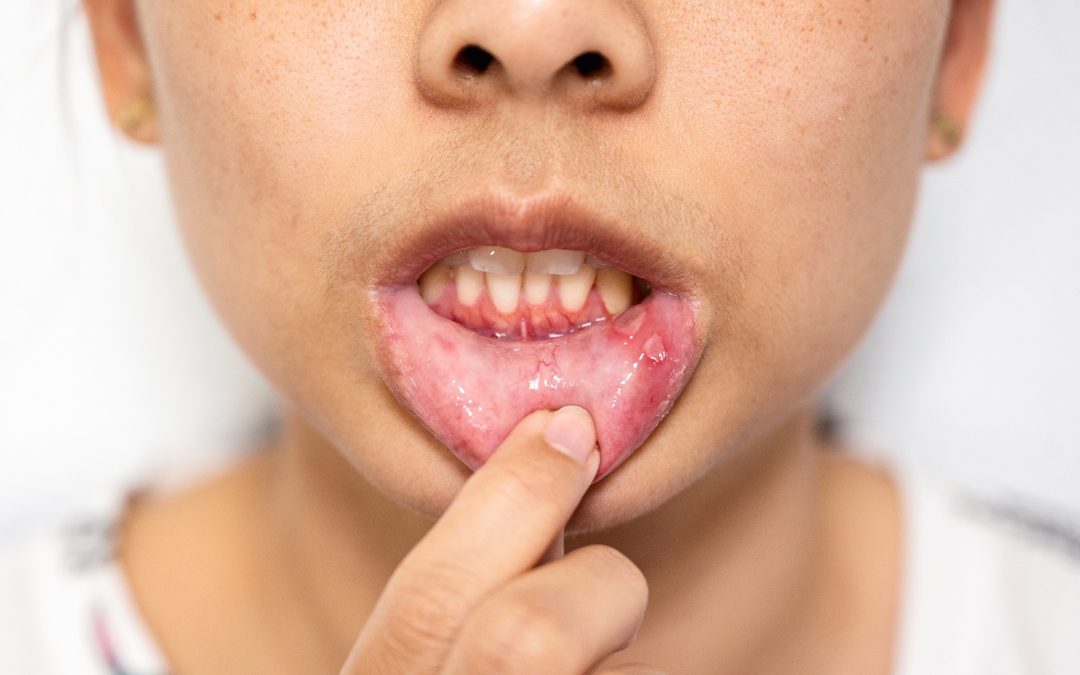
Chronic mouth ulcers can interrupt daily routines in ways many people don’t talk about—eating becomes uncomfortable, conversations feel strained, and even drinking water may trigger irritation. For some people, these sores fade quickly, but others deal with them repeatedly. When flare-ups start to affect comfort and confidence, it’s natural to wonder if a dental professional can step in and help.
If you live in or around Webster, ongoing oral irritation can feel especially frustrating when you’re juggling your day-to-day responsibilities. Many patients aren’t sure whether to see a dentist or wait for the sores to heal on their own. This blog explains when a dentist can help, what chronic ulcers may signal, and how evaluation works so you can approach care feeling prepared.
Understanding Chronic Mouth Ulcers
Mouth ulcers—often called canker sores—are small lesions that appear on the soft tissues inside the mouth. Occasional sores happen to most people, but recurring ones may point to an underlying issue needing evaluation. While most resolve within one to two weeks, chronic outbreaks can last longer, return frequently, or feel more severe.
These sores often appear due to irritation, stress, food sensitivities, minor injuries, or changes in immune response. Some people notice patterns tied to diet, weather changes, or seasonal allergies.
Can a Dentist Help If Sores Keep Coming Back?
Yes—dentists regularly evaluate and manage chronic mouth sores. Many patients first visit a dentist when they’ve tried home treatments without relief. A dentist is trained to identify whether a sore is a typical canker sore or whether it could be linked to vitamin deficiencies, hormonal fluctuations, autoimmune conditions, or infections.
Seeing a dentist Webster residents trust can be especially helpful when ulcers last longer than expected or keep returning.
Dentists can also determine if the irritation is caused by things you might overlook, such as sharp teeth edges, old dental work, or grinding habits that cause accidental cheek biting.
Why Dental Evaluation Matters
Data from oral health studies show that nearly 20% of people experience recurrent canker sores at some point. However, fewer than half seek professional evaluation—even when sores persist beyond two weeks. Early evaluation helps rule out underlying conditions and gives patients relief faster.
How a Dentist Evaluates Chronic Mouth Ulcers
Identifying the Type of Lesion
Not all sores are the same. Some ulcers mimic canker sores but may indicate infections or systemic conditions. Dentists check lesion color, borders, size, and pattern.
Reviewing Triggers
Foods, stress levels, medication changes, and even toothpaste ingredients can contribute. A dentist helps identify patterns patients may not notice.
Checking for Oral Irritation Sources
Rough fillings, braces, retainers, or chipped teeth can create repeated rubbing, leading to chronic mouth sores.
Discussing Nutrition and Medical History
Deficiencies in B12, folate, or iron can increase ulcer frequency. Dentists sometimes coordinate with primary physicians for testing.
Lesion Evaluation for Warning Signs
Dentists are trained to identify red flags—lesions lasting more than three weeks, ulcers that don’t heal, or sores that appear alongside fever, rash, or swollen glands.
Treatment Options a Dentist May Recommend
Topical Relief
Prescription gels or rinses reduce pain and inflammation more effectively than over-the-counter products.
Canker Sore Care Guidance
Dentists guide patients toward gentle oral care routines, allergies to avoid, and foods known to trigger sores.
Addressing Mechanical Irritation
If braces, dentures, or restorations contribute to lesions, adjustments can significantly reduce recurrence.
Medication Review
Some medications cause dry mouth or irritation. Dentists can recommend ways to reduce that impact.
Referral When Needed
If sores point to systemic concerns, a dentist may collaborate with medical providers for full evaluation.
When Should You See a Dentist for Mouth Ulcers?
You should schedule a visit when:
-
Sores last longer than 10–14 days
-
You experience frequent recurrences
-
Pain interferes with eating or drinking
-
Ulcers appear unusually large
-
You notice patterns of swelling or fever alongside sores
If you live in Webster, having a trusted dentist who understands your dental history can give you a clearer, more personalized management plan.
Local Context: Oral Health Patterns in Webster
In communities like Webster, many patients experience flare-ups during colder months due to dry indoor air and increased seasonal stress. Local dental practices often see more cases of oral irritation between late fall and early spring. That makes early care even more important so patients can maintain comfort year-round.
Preventing Future Ulcers: Practical Tips
Daily Habits That Make a Difference
-
Choose toothpaste without sodium lauryl sulfate.
-
Stay hydrated to reduce dryness.
-
Use a soft-bristled toothbrush.
-
Minimize spicy or acidic foods during flare-ups.
Support Whole-Body Health
Balanced nutrition can reduce ulcer frequency. Some studies show links between B12 levels and mouth sore recurrence.
Protect Soft Tissues
Mouthguards help if accidental cheek biting or grinding is common.
FAQs
Are chronic mouth ulcers always serious?
Not always, but persistent sores should be evaluated to rule out underlying issues.
Can stress really cause mouth sores?
Yes. Stress affects immune response, making sores more likely.
Should I worry if a sore doesn’t hurt?
Painless lesions should be evaluated because they may not be typical canker sores.
Can a dentist provide long-term treatment plans?
Yes. Dentists create personalized plans addressing irritation, triggers, and prevention.
Do mouth ulcers spread from person to person?
No. Canker sores aren’t contagious.
Final Thoughts
Chronic mouth ulcers may feel small, but they can seriously disrupt your daily comfort. A trusted dentist in Webster can help you understand the cause, treat the irritation, and prevent new sores from forming. If sores last longer than expected or keep coming back, professional evaluation offers clarity and relief. When you feel ready to take the next step toward comfort, you can schedule an appointment so your care team can guide you with the support you need.