
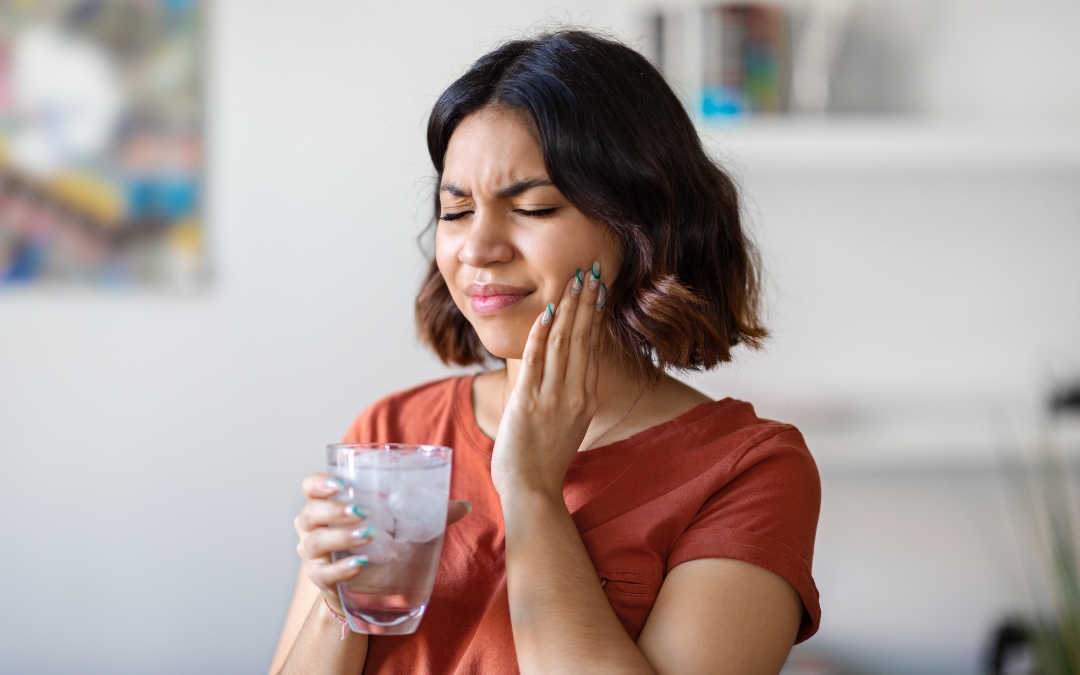
Feeling a sharp twinge when sipping a cold drink or brushing your teeth can be distracting, frustrating, and sometimes worrying. Many people in Webster deal with sensitive teeth, and the idea of cosmetic treatments may bring up concerns—Will it hurt? Is it safe? Can it make sensitivity worse?
If you’ve been thinking about improving your smile but are hesitant because of sensitivity, you’re not alone. Residents in the Webster area often bring up these same questions when visiting a dentist for cosmetic care. This guide breaks things down in a calm, friendly way so you can make a confident decision.
Understanding Why Teeth Become Sensitive
To appreciate how cosmetic dentistry affects sensitive teeth, it helps to know what causes sensitivity in the first place. Teeth often react to temperature changes or sweets when the enamel becomes thin or gum tissue recedes. When enamel weakens, the protective layer around the tooth opens up, exposing the dentin layer underneath.
Some common reasons include:
-
Enamel erosion
-
Gum recession
-
Teeth grinding
-
Overuse of whitening products
-
Dietary acids
-
Past dental work
Because enamel care is at the heart of both cosmetic dentistry and sensitivity prevention, many cosmetic procedures are designed with gentle approaches to avoid further irritation.
Is Cosmetic Dentistry Safe for Sensitive Teeth?
The short answer: yes, most cosmetic dentistry procedures are safe for people with sensitive teeth, as long as you choose treatments tailored to your needs and work with a cosmetic dentist patients already trust for comfort-focused care.
Cosmetic dentistry today includes several gentle cosmetic treatments that support enamel care and reduce discomfort. Materials, bonding agents, and whitening formulas have improved significantly over the last decade, and many are specifically formulated to lower sensitivity risks.
In fact, data shared by cosmetic dental product manufacturers suggests that newer whitening gels reduce sensitivity by up to 30% compared to earlier formulas. This is because they contain desensitizing agents like potassium nitrate that calm nerve responses.
How a Cosmetic Dentist Uses a Comfort-First Approach
When visiting a cosmetic dentist Webster residents rely on for detail-oriented care, several steps are taken to protect teeth with existing sensitivity:
A Personalized Sensitivity Evaluation
Before recommending a cosmetic procedure, your dentist will examine enamel thickness, gum health, bite pressure, and past sensitivity triggers. This lets them anticipate discomfort and create a plan that avoids irritation.
Selecting the Right Procedure
Not every treatment involves enamel removal. Many gentle cosmetic treatments—like bonding or no-prep veneers—protect the tooth surface and can even reduce sensitivity by sealing exposed dentin.
Using Desensitizing Techniques
Your dentist may apply desensitizing gels, use slower-release whitening formulas, or add protective bonding agents based on your sensitivity level.
Planning a Gradual Treatment Schedule
If whitening or veneer prep is involved, spreading the process over multiple appointments helps avoid overstimulation of nerves.
Which Cosmetic Treatments Are Safe for Sensitive Teeth?
Teeth Whitening
In-office whitening is generally safe but may cause temporary sensitivity. Many cosmetic dentists use buffered formulas and gentle light activation to reduce irritation. Home whitening trays with lower-intensity gel can also be an option.
Dental Bonding
Bonding is one of the safest choices for sensitive teeth because it requires little to no enamel removal. It seals exposed areas and can even act as a protective layer.
Porcelain Veneers
For those with enamel wear, veneers can reduce long-term sensitivity by strengthening the outer surface. Minimal-prep veneers are especially suitable since they avoid aggressive enamel removal.
Tooth Contouring
If your enamel is already thin, your dentist may recommend skipping contouring. A sensitivity-minded evaluation will determine if this is appropriate.
Enamel-Friendly Options
Many people are surprised that cosmetic dentistry can actually improve sensitivity by restoring worn enamel surfaces, closing gaps near the gumline, or reinforcing weakened areas.
How to Reduce Sensitivity Before a Cosmetic Procedure
If you’re planning cosmetic work soon, here are practical steps supported by data and clinical recommendations:
-
Use a sensitivity toothpaste—studies show these can reduce symptoms by 40–60% after 4–6 weeks.
-
Avoid acidic foods (citrus, vinegar, soda) for at least 48 hours before whitening.
-
Use a soft-bristle toothbrush to support enamel care.
-
Limit at-home whitening strips to prevent enamel dehydration.
-
Ask your dentist about fluoride varnish for added protection.
Small lifestyle changes help strengthen enamel, making cosmetic procedures more comfortable.
Local Insight for Webster Residents
Weather shifts in the Webster region—especially cold winter months—can heighten tooth sensitivity. Many patients report more discomfort during the colder seasons, which is why local dentists often recommend scheduling whitening or veneer prep during milder months, or using pre-treatment desensitizing products.
A convenient benefit of working with a Webster dentist is the ability to receive care from someone familiar with the region’s climate-impact patterns on dental sensitivity.
Frequently Asked Questions
Can cosmetic whitening worsen sensitivity?
It can cause temporary sensitivity, but modern formulas minimize the risk. Professional whitening is safer than over-the-counter options due to customizable strength.
Are veneers a good choice for sensitive teeth?
Yes. Veneers often reduce sensitivity by protecting worn enamel and covering exposed areas.
Should I avoid cosmetic dentistry if I have severe sensitivity?
Not necessarily. A thorough evaluation allows your dentist to choose treatments that strengthen enamel and prevent irritation.
Does bonding help with enamel sensitivity?
Bonding can seal exposed dentin and prevent temperature triggers—making it a helpful option for many patients.
Final Thoughts
Sensitive teeth don’t have to limit your options for improving your smile. With the right planning, gentle cosmetic treatments, and a cosmetic dentist Webster residents trust for attentive care, you can enhance your smile safely and comfortably. If you’re ready to explore options that support both confidence and comfort, this may be the right time to schedule an appointment and discuss what will work best for you.