
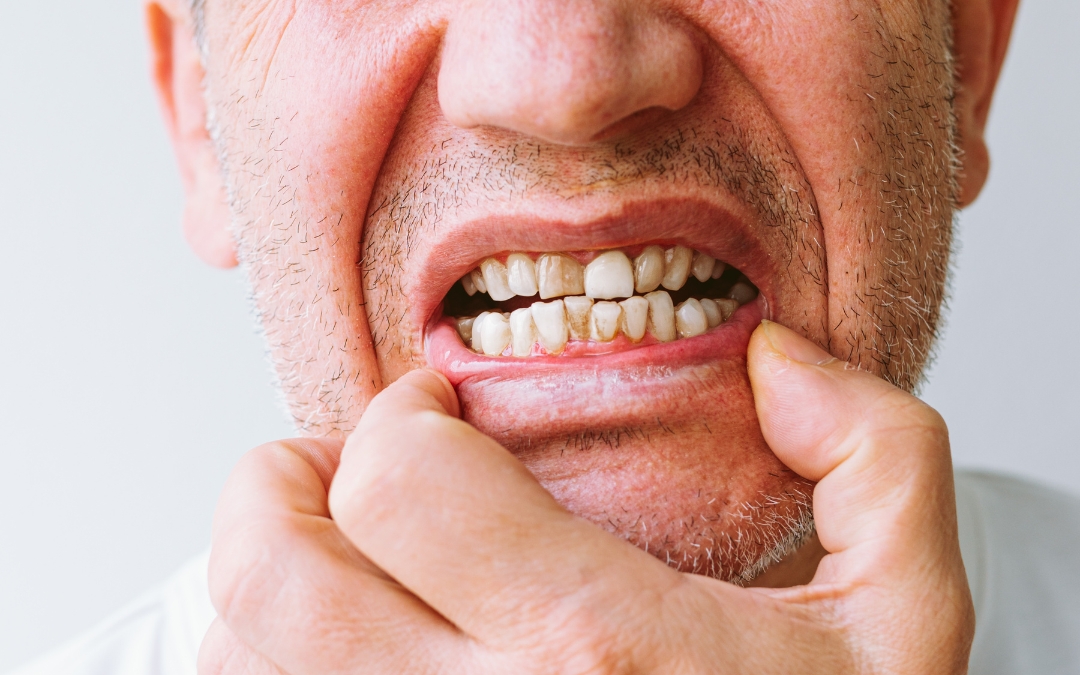
You’re brushing your teeth one day and suddenly notice a dark spot that wasn’t there before. It can feel a bit alarming. Is it just a stain, or is something wrong? The truth is, black spots on teeth are fairly common, and in many cases, they’re linked to everyday habits rather than serious dental problems.
These spots usually form on the enamel—the outer protective layer of your teeth. Because they sit on the surface, they often fall into the category of external staining. Still, not every dark mark is harmless, which is why paying attention to changes in your teeth matters.
Most of the time, these spots develop from things like food, drinks, or tobacco. They tend to build up gradually, especially in areas that don’t get cleaned as thoroughly. If you’re unsure what you’re seeing, a quick visit to a cosmetic dentist Webster can help you understand whether it’s just a stain or something that needs treatment.
It’s also helpful to know how stains differ from cavities. A stain affects how your tooth looks, while a cavity affects the structure of the tooth itself. Cavities usually go deeper and may come with symptoms like sensitivity or discomfort, especially when eating or drinking something hot, cold, or sweet.
You’ll often notice black spots in places where plaque likes to settle, such as:
- The grooves on the chewing surfaces of back teeth
- Along the edges of the gums
- Between teeth where brushing doesn’t always reach
Why Do Black Spots Appear?
There isn’t a single cause behind these spots. Instead, they usually develop from a mix of daily habits and oral health factors.
Plaque That’s Left Behind
When plaque isn’t removed regularly, it can harden into tartar. Over time, this buildup can darken and become more noticeable.
Frequent Intake of Dark Drinks
Coffee, tea, cola, and red wine all contain pigments that can cling to enamel and leave stains behind.
Smoking or Tobacco Use
Tobacco products leave residue that sticks to teeth, often creating darker and more stubborn discoloration.
Certain Dental Products or Supplements
Some medicated rinses and supplements may cause staining as a side effect with long-term use.
Too Much Fluoride Early in Life
During childhood, excessive fluoride exposure can affect how enamel forms, sometimes leading to uneven coloring.
Dietary Habits
Foods rich in color—like berries, sauces, and certain spices—can slowly stain teeth, especially if oral hygiene isn’t consistent.
Tooth Damage
A chipped or cracked tooth can allow discoloration to develop beneath the surface, making the spot look darker.
Tooth Decay
In some cases, a black spot may signal decay, especially if it doesn’t brush away and is paired with sensitivity.
Enamel Wear Over Time
Acidic foods and drinks can weaken enamel, revealing the darker layer underneath.
Changes Near the Gumline
Certain gum conditions may make areas near the gums appear darker than usual.
What’s the Right Way to Treat Them?
The first step is understanding the cause. Once you know that, treatment becomes much more straightforward.
Professional Cleaning
For many people, a routine dental cleaning is enough to remove surface stains and buildup. It’s one of the simplest and most effective ways to refresh your smile.
Teeth Whitening Options
If the discoloration is more noticeable, your dentist may suggest safe whitening treatments to improve the overall shade of your teeth.
Before trying DIY methods you might find online, it’s a good idea to check with a dentist near you. Not every dark spot should be treated the same way, and using the wrong approach could damage your enamel.
Improving Daily Habits
Small, consistent changes can make a big difference:
- Brush thoroughly twice a day
- Don’t skip flossing
- Rinse your mouth after consuming staining foods or drinks
- Cut back on tobacco if possible
How to Keep Black Spots from Coming Back
Preventing stains is often easier than removing them. A few mindful habits can help you maintain a cleaner, brighter smile.
Be Consistent with Oral Care
Daily brushing and flossing help stop plaque from turning into stubborn buildup.
Don’t Skip Dental Visits
Regular checkups allow your dentist to catch early signs of staining or decay before they become more noticeable.
Watch Your Intake of Staining Foods and Drinks
You don’t have to avoid them completely, but moderation and rinsing afterward can help.
Avoid Tobacco Products
This is one of the most effective ways to prevent deep staining and improve overall oral health.
Use a Straw When You Can
It may seem simple, but it helps reduce how much staining liquid touches your teeth.
Choose the Right Products
Fluoride toothpaste supports enamel health, while whitening products should be used carefully and with guidance.
Black spots on teeth can be frustrating to deal with, but they’re often manageable once you understand what’s causing them. Paying attention early and making a few simple changes can go a long way in keeping your smile healthy. If something doesn’t look or feel right, it’s worth getting it checked—schedule an appointment to stay ahead of any potential issues.
Frequently Asked Questions
Are black spots something to worry about?
Not always. Many are harmless stains, but it’s still a good idea to have them checked if you’re unsure.
Can these spots go away on their own?
Surface stains might fade slightly with good oral care, but professional cleaning is usually needed for complete removal.
Is it okay to use home remedies?
Some may help lightly, but others can be too harsh. It’s best to get professional advice before trying them.
How do I know if it’s a cavity?
If the spot doesn’t go away, feels rough, or is paired with sensitivity, it could be decay and should be examined.
Do black spots spread?
Stains can become more noticeable over time, and decay can progress if left untreated.