
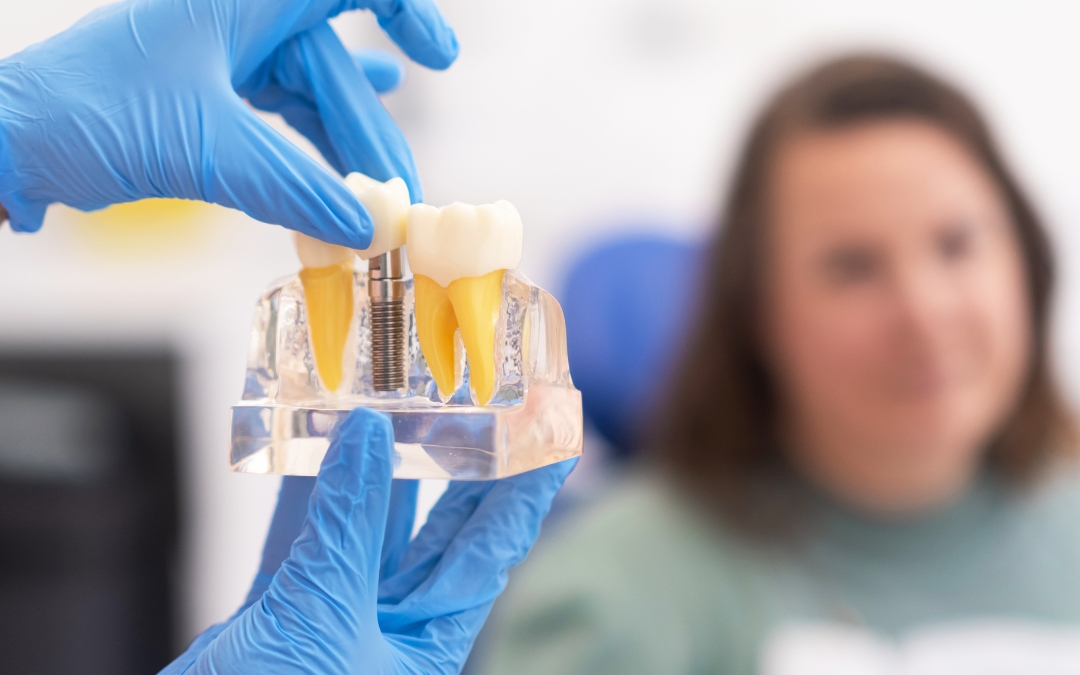
When it comes to replacing missing teeth, many people feel a mix of hope and hesitation. Hope because dental implants can restore confidence and function; hesitation because of a big question—are dental implants painful? This concern is natural. Dental procedures often trigger anxiety, especially for patients who’ve had uncomfortable experiences in the past. Understanding the process, recovery, and pain management can help ease these fears and make the decision easier.
What to Expect During the Procedure
Dental implants involve placing a titanium post into the jawbone, which acts as the foundation for the replacement tooth. The idea of surgery may sound intimidating, but modern techniques make the procedure far less painful than most imagine.
Dentists typically use local anesthesia or sedation, ensuring that you don’t feel discomfort while the implant is being placed. In fact, many patients report that the process feels no worse than a routine tooth extraction. The body of evidence supports this—studies show that patient discomfort during implant surgery is often minimal compared to expectations.
How Painful Are Dental Implants Really?
Here’s the reassuring part: pain during the actual procedure is rare because of anesthesia. Most discomfort, if any, happens in the hours and days after the numbness wears off. Common sensations include mild soreness, swelling, or bruising around the gums and jaw.
For patients seeking dental implants in Webster, knowing what’s normal and what isn’t is key. Post-op care implant healing typically involves tenderness for a few days, but severe pain is unusual. Pain tends to be less intense than recovering from a tooth extraction. With proper aftercare instructions, most patients return to normal routines within a week.
Pain Management and Aftercare
Immediate Recovery
-
Medications: Over-the-counter pain relievers such as ibuprofen are usually enough to handle discomfort. Your dentist may prescribe stronger medication if necessary.
-
Cold Compress: Applying ice packs reduces swelling and eases soreness.
-
Diet: Soft foods like yogurt, oatmeal, and mashed potatoes help prevent unnecessary strain on the implant site.
Long-Term Care
As healing progresses, most patients notice pain fading quickly. Proper post-op care implant healing steps, such as maintaining oral hygiene and following aftercare instructions, prevent complications. If pain persists beyond 10 days, it’s important to check with your provider to rule out infection or implant rejection.
According to the American Dental Association, implants have a high success rate when paired with good oral health practices and professional follow-up.
Data-Backed Perspective on Implant Pain
A recent survey of implant patients revealed:
-
70–80% reported only mild discomfort after surgery.
-
Less than 10% required prescription-strength pain medication.
-
Over 90% said they would undergo the procedure again because the benefits outweighed the brief recovery discomfort.
This data highlights that while discomfort is expected, it is short-lived and manageable. The lasting improvement in oral health and confidence often makes the journey worthwhile.
Local Context: Why Webster Residents Choose Implants
In Webster, NY, patients often choose implants not just for aesthetics but also for long-term oral health. Implants preserve jawbone density, prevent shifting of nearby teeth, and restore natural chewing function. A trusted dentist can provide tailored pain management strategies, ensuring comfort before, during, and after the procedure.
FAQs About Dental Implant Pain
Do implants hurt more than extractions?
Generally, no. Most patients report less pain from implants than from having a tooth pulled.
How long will the pain last?
Mild discomfort usually lasts 3–5 days. Swelling can continue for up to a week but steadily improves.
Can I go to work the next day?
Many patients feel well enough to return to light work within 1–2 days, depending on their comfort and the type of job.
What if the pain gets worse after a week?
Worsening pain after the first week may signal infection or another complication. Contact your dentist immediately if this happens.
Are dental implants worth it despite the pain?
Absolutely. The brief period of healing is outweighed by years of improved oral health, restored function, and a confident smile.
Final Thoughts
So, are dental implants painful? The answer is: only minimally, and the discomfort is temporary. Thanks to anesthesia, modern surgical methods, and clear aftercare instructions, patients in Webster can expect a smooth experience with manageable recovery. If you’ve been considering implants but worry about pain, rest assured that the benefits far outweigh the short-term healing process.
If you’re ready to restore your smile and improve your oral health, consider consulting a trusted dentist for personalized guidance. Schedule an appointment today to take the first step toward a healthier, more confident you.