
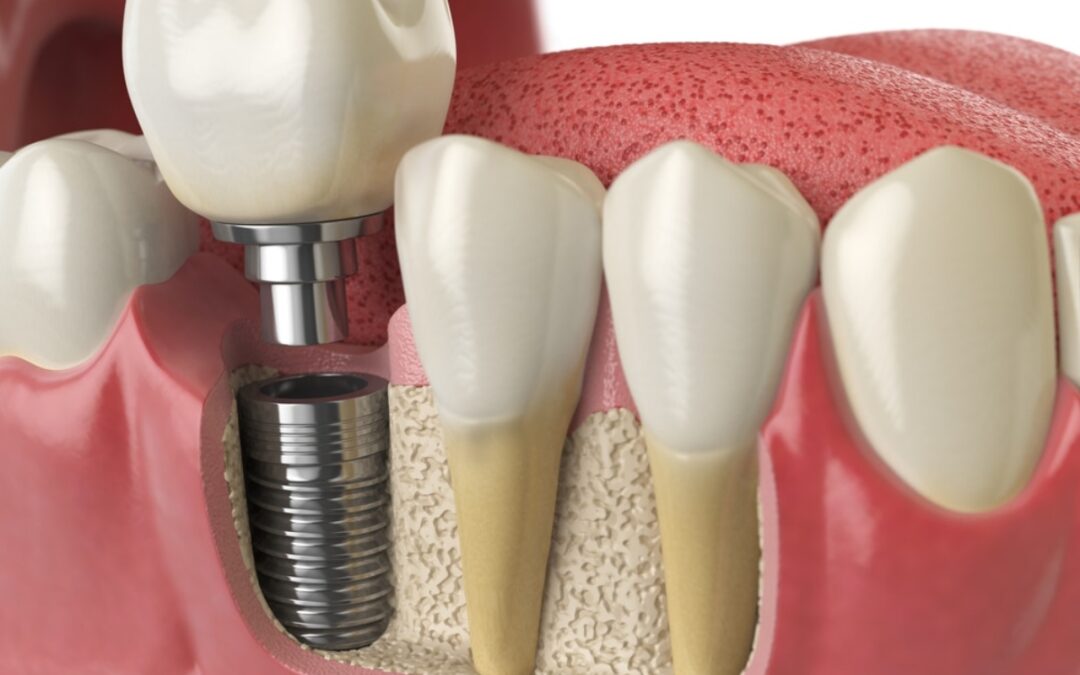
Getting dental implants is a significant investment in your oral health and overall well-being. These state-of-the-art tooth replacements offer a remarkably natural look, feel, and function, seamlessly integrating with your jawbone. However, the longevity and success of your dental implants in Webster heavily depend on diligent oral hygiene practices. Just like natural teeth, implants require consistent care to remain healthy and to prevent complications. At Giangreco Family Dental, we believe in empowering our patients with the knowledge and tools necessary to protect their investment and enjoy a lifetime of healthy smiles.
Understanding Peri-Implantitis: The Threat to Implants
While dental implants themselves cannot get cavities, the tissues surrounding them can become inflamed or infected. This condition is known as peri-implantitis, and it’s essentially the implant equivalent of gum disease. Peri-implantitis occurs when bacteria accumulate around the implant, leading to inflammation of the gum tissue and, if left untreated, can cause bone loss around the implant, potentially leading to implant failure.
Key Factors Contributing to Peri-Implantitis
- Poor Oral Hygiene: Inadequate brushing and flossing allow plaque and bacteria to build up around the implant, just as they do around natural teeth.
- Smoking: Smoking significantly increases the risk of peri-implantitis and can hinder the healing process.
- Systemic Diseases: Uncontrolled diabetes and other conditions that compromise the immune system can make individuals more susceptible to infections.
- Insufficient Professional Care: Neglecting regular dental check-ups and professional cleanings can allow early signs of peri-implantitis to go unnoticed.
Fortunately, peri-implantitis is largely preventable with proper care, both at home and with your dentist in Webster.
Essential Home Care for Your Dental Implants
Maintaining excellent oral hygiene at home is the cornerstone of preventing peri-implantitis and ensuring the long-term success of your dental implants in Webster.
Brushing: Gentle Yet Thorough
- Soft-Bristled Brush: Use a soft-bristled toothbrush to prevent scratching the implant surface or irritating the surrounding gum tissue.
- Electric Toothbrush (Optional): Many electric toothbrushes with soft brush heads are safe and highly effective for cleaning around implants.
- Technique Matters: Brush gently, focusing on the area where the implant crown meets the gum line, as this is where plaque tends to accumulate. Angle the brush at a 45-degree angle towards the gum line and use small, circular motions.
- Brush Twice Daily: Consistency is key. Brush for at least two minutes in the morning and before bed.
Flossing: Reaching Where Brushing Can’t
- Unwaxed Tape or Implant-Specific Floss: Traditional floss might fray or be difficult to maneuver. Unwaxed dental tape or specialized implant floss, which is wider and softer, can be more effective for cleaning around implants.
- Water Flossers (Oral Irrigators): A water flosser can be an excellent addition to your routine. It uses a stream of water to dislodge food particles and plaque from around the implant, especially beneficial for reaching tight spaces. Use it on a low to medium setting to avoid irritating the gums.
- Interdental Brushes: For implants with slightly larger spaces between them, interdental brushes (tiny brushes designed to clean between teeth) can be very effective. Your dentist in Webster can recommend the appropriate size.
Rinsing: An Added Layer of Protection
- Antimicrobial Mouthwash: Your dentist might recommend a non-alcoholic antimicrobial mouthwash to help reduce bacteria in your mouth. Always check with your dentist before incorporating a new mouthwash into your routine.
- Saline Rinse: A simple warm salt water rinse can also be soothing and help reduce inflammation, especially during the initial healing phase or if you experience minor irritation.
The Indispensable Role of Professional Care
While home care is vital, it cannot replace the expertise and specialized tools of your dental professional. Regular visits to Giangreco Family Dental are crucial for the ongoing maintenance of your dental implants in Webster.
Regular Dental Check-ups and Cleanings
- Specialized Tools: Our hygienists use specific non-abrasive tools designed for cleaning around dental implants. These tools ensure that the implant surface is not scratched or damaged, which could create rough areas where bacteria can easily attach.
- Thorough Examinations: Your dentist in Webster will meticulously examine the implant, the surrounding gum tissue, and the supporting bone to check for any early signs of peri-implantitis or other issues. X-rays may be taken periodically to monitor the bone level around the implant.
- Early Detection and Intervention: Professional cleanings and examinations allow for the early detection of any problems. Catching peri-implantitis in its initial stages means it can often be managed effectively with less invasive treatments.
- Personalized Advice: Our team can provide tailored advice on your home care routine, recommending specific products or techniques based on your individual needs and the configuration of your implants.
Investing in dental implants in Webster is a fantastic way to restore your smile. By committing to an excellent home care routine and maintaining regular appointments with Giangreco Family Dental, you can ensure your implants remain healthy, functional, and beautiful for many years to come, allowing you to enjoy all the benefits of a complete smile.