
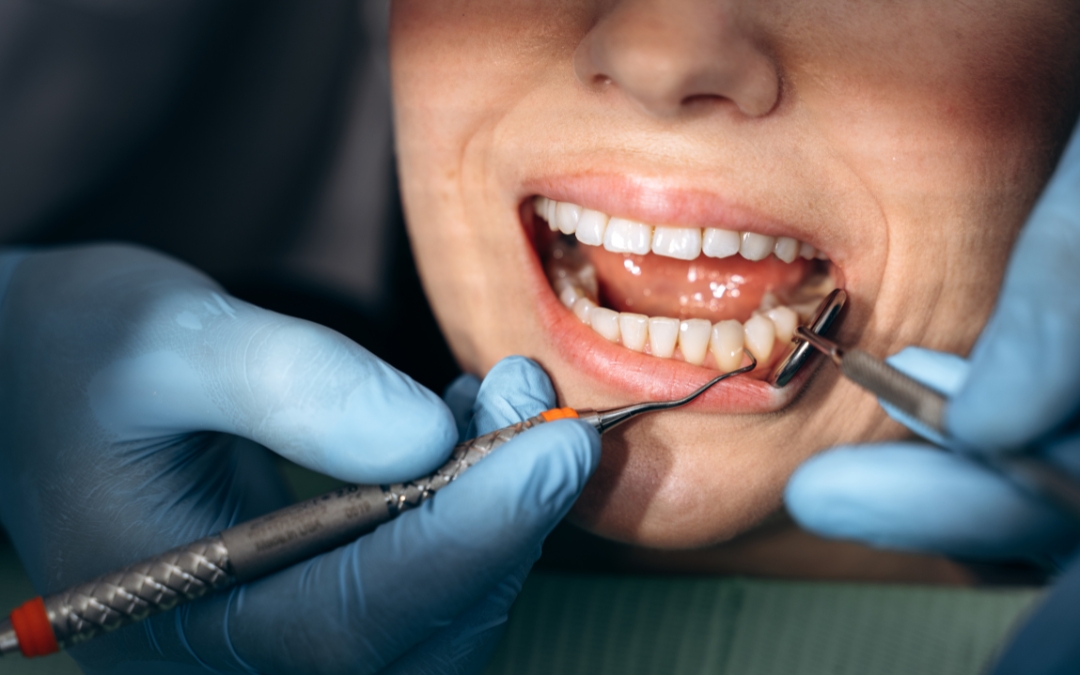
A fractured tooth root can occur for several reasons—an injury, deep decay, or even complications from past dental work. No matter the cause, noticing that part of the root is missing or feeling sudden tenderness around a tooth should never be brushed aside. Ignoring the signs can allow hidden issues to develop beneath the gums, putting your oral health at risk.
Understanding why a broken tooth root is dangerous is key to protecting your smile. If you’re unsure about the severity of your symptoms or are dealing with sudden pain or swelling, reaching out to an emergency dentist Webster can ensure you get the right care before the issue worsens.
Below, you’ll find what happens when a broken tooth root is left untreated, how it can affect your long-term health, and which treatment options can help restore your oral health.
Immediate Consequences of a Broken Tooth Root
When a tooth root breaks, your body reacts quickly. Some of the earliest symptoms include:
Pain and Discomfort
The pain may start off mild, but it usually becomes sharper over time—especially when chewing or when consuming hot or cold food and drinks.
Redness and Swelling of the Gums
Inflammation around the damaged root is a common sign that the area is irritated or possibly infected.
Heightened Sensitivity
Because the nerves may be exposed, even breathing in cold air or sipping a warm beverage can trigger sudden, stinging sensitivity.
Tissue Irritation
Small fragments of the root can rub against the soft tissues inside your mouth, causing soreness, cuts, or persistent irritation.
Long-Term Problems If a Broken Tooth Root Is Left Untreated
Leaving a broken tooth root in place can create serious complications over time. If discomfort becomes unbearable, seeking urgent care is essential.
Infection and Abscess Formation
Bacteria can easily enter the exposed area, leading to a painful abscess—a pocket of pus that can spread to the jawbone or nearby tissues.
Gum and Bone Deterioration
Ongoing infection can slowly damage the bone and gum tissue around the affected area, increasing the risk of tooth loss.
Persistent Pain
What starts as occasional discomfort can turn into constant pain that affects eating, speaking, and day-to-day life.
Damage to Neighboring Teeth
Infection from the broken root can travel to nearby teeth, increasing the chances of decay, gum disease, and additional dental problems.
Risks to Overall Health
Untreated oral infections can enter the bloodstream and contribute to systemic issues, including heart-related conditions.
Spread of Infection to Other Areas
In severe cases, the infection can cause facial swelling, sinus complications, or the need for hospitalization.
More Complicated Treatment Later
A simple extraction can become a more complex surgical procedure requiring bone grafts or advanced gum treatment if the issue is ignored for too long.
Treatment Options for a Broken Tooth Root
Addressing the problem early gives you the best chance of protecting your oral health. Depending on the severity of the break, your dentist in Webster may recommend:
Extraction
If the root cannot be saved, a surgical extraction removes the remaining pieces to prevent future infection or inflammation.
Root Canal Therapy
If the tooth is still salvageable, a root canal removes the damaged inner tissue and seals the tooth to stop bacteria from spreading.
No matter the treatment, early diagnosis is essential. Prompt care helps you avoid complications and ensures a faster, smoother recovery.
Final Thoughts
A broken tooth root is more than a minor dental issue—it can quickly escalate into serious infection, ongoing pain, and long-term damage if ignored. Pay attention to changes in your mouth and seek help as soon as something feels off. Prompt evaluation can save you from significant oral and overall health problems.
If you’re experiencing symptoms of a fractured tooth root, schedule an appointment with your dentist as early as possible.
Frequently Asked Questions
How do I know if I have a broken tooth root?
Common signs include sharp pain, swelling, sensitivity to temperature, or feeling something sharp beneath the gums. Only a dentist can confirm it through an exam and X-ray.
Can a broken tooth root heal on its own?
No. Once a tooth root fractures, it cannot regenerate or heal naturally. Professional treatment is necessary to prevent infection.
Is it dangerous to leave a broken tooth root untreated?
Yes. It can lead to infection, abscesses, bone loss, and severe pain. In some cases, the infection can spread to other parts of the body.
What should I do if I feel severe pain from a broken tooth root?
Seek urgent dental care. Sudden or worsening pain is a sign that the condition may be progressing into an infection.
Will the treatment for a broken tooth root hurt?
Modern dentistry offers comfortable, pain-managed treatment options. Most procedures, including extractions and root canals, are performed with local anesthesia.
Can an untreated broken tooth root affect my other teeth?
Yes. Infection can spread to neighboring teeth, increasing the risk of cavities or gum disease.
How quickly should I see a dentist if I suspect a broken root?
As soon as possible. Early intervention prevents complications and makes treatment much simpler.