
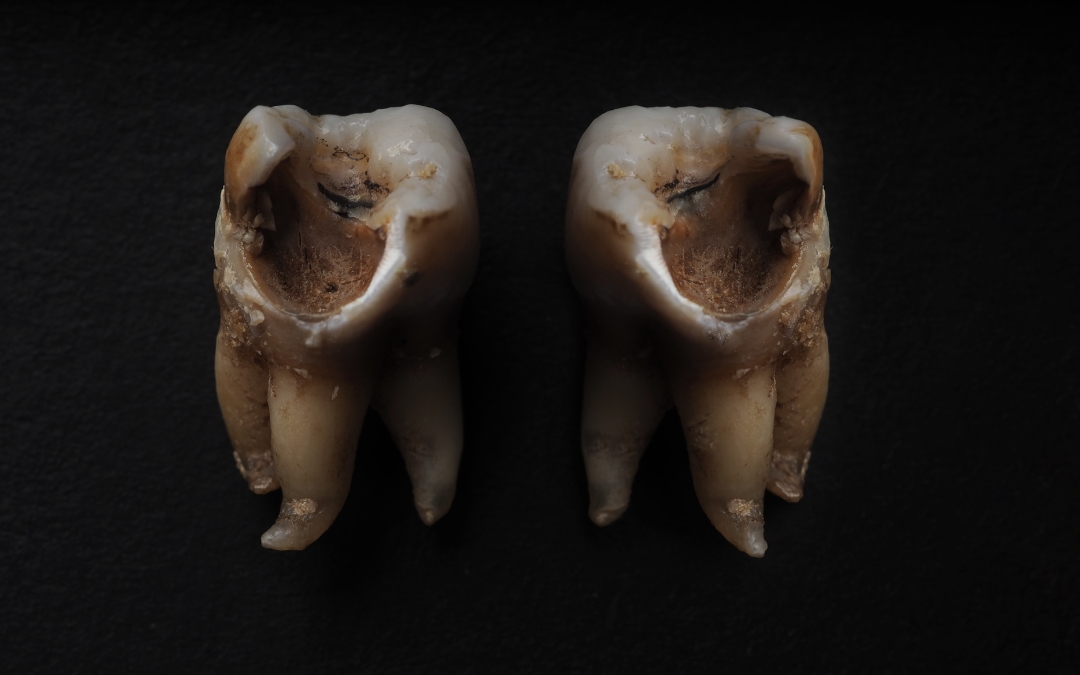
Having a tooth fall out unexpectedly can be unsettling. When the tooth has already been weakened by decay, it may loosen and eventually fall out on its own. Although the pain might stop once the tooth is gone, the situation still needs attention. An empty tooth socket can easily become irritated or infected if it is not properly cared for.
Knowing what to do right away can help protect your gums, reduce discomfort, and prevent additional dental problems.
Stay Calm and Check the Area
The first step is to stay calm and carefully look at the area where the tooth came out. It is normal to notice some bleeding from the socket. Place a clean piece of gauze over the area and gently bite down to apply pressure. This usually helps slow the bleeding within several minutes.
If the bleeding does not stop after about 10–15 minutes, it is important to seek professional dental care.
Rinse Your Mouth Gently
After the tooth falls out, keeping the area clean is very important. Rinse your mouth gently with warm salt water to help wash away bacteria and food particles. This simple step can help reduce the risk of infection while the gums begin to heal.
Try to avoid strong mouthwashes that contain alcohol because they can irritate the exposed gum tissue.
Save the Tooth if You Can
If the tooth is available, pick it up carefully. In many cases, a tooth that has fallen out due to severe decay cannot be reinserted, but your dentist may still want to examine it.
Place the tooth in a small container or in milk to keep it from drying out. Bringing the tooth with you to the dental office can help your dentist understand the extent of the decay and recommend the best next step.
Reaching out to an emergency dentist Webster patients rely on can help you receive timely care and prevent further complications.
Handle the Tooth by the Crown
If you need to hold the tooth, try not to touch the root portion. The root area is delicate and can easily become damaged. Instead, hold the tooth by the crown, which is the visible chewing surface.
Even when the tooth cannot be saved, examining it helps your dentist determine how the decay affected the tooth and surrounding structures.
Reduce Pain and Swelling
Some soreness or swelling can occur after a tooth falls out. Applying a cold compress to the outside of your cheek near the affected area may help reduce swelling and provide relief.
If needed, over-the-counter pain relievers like ibuprofen may help manage discomfort. However, if the area is still bleeding, it is best to avoid medications that could increase bleeding.
Eat Soft Foods for a Short Time
Your gums will likely be sensitive after losing a tooth. Eating hard, crunchy, or sticky foods can irritate the area and slow the healing process.
Soft foods such as yogurt, soup, mashed potatoes, scrambled eggs, or smoothies are better choices until the area begins to feel more comfortable.
Watch for Signs of Infection
Because the tooth socket is exposed, bacteria can sometimes enter the area and cause infection. Pay attention to how the area feels over the next few days.
Warning signs may include:
- Ongoing or worsening pain
- Swelling that does not improve
- A bad taste in the mouth
- Pus near the gum
- Fever or general discomfort
If you notice any of these symptoms, it is important to contact a Webster dentist so the issue can be treated before it becomes more serious.
Schedule a Dental Evaluation
Even if the discomfort fades after the tooth falls out, a dental visit is still necessary. A dentist will check the condition of the surrounding teeth, gums, and bone to ensure there are no remaining problems.
Getting professional care early can also prevent nearby teeth from shifting into the empty space, which may affect your bite over time.
Explore Tooth Replacement Options
If the tooth cannot be saved, your dentist may recommend replacing it. Restoring the missing tooth helps maintain normal chewing function and keeps nearby teeth from moving.
Common replacement options include:
Dental Implants – A long-term option designed to function similarly to a natural tooth.
Dental Bridges – A fixed restoration that fills the gap using nearby teeth for support.
Partial Dentures – A removable appliance that replaces one or more missing teeth.
Your dentist can explain which option may work best for your situation.
Focus on Preventing Future Tooth Decay
When a tooth falls out because of decay, it often means oral health habits may need improvement. Taking care of your teeth each day can help prevent similar issues in the future.
Helpful habits include brushing twice daily with fluoride toothpaste, flossing regularly, limiting sugary snacks, and visiting your dentist for routine checkups.
Final Thoughts
Losing a decayed tooth can feel surprising, but taking the right steps afterward can make a big difference. Keeping the area clean, managing discomfort, and seeking professional dental care will help protect your oral health and prevent further problems.
If you experience a tooth falling out due to decay, it is best to have it evaluated by a dental professional as soon as possible. Schedule an appointment today to ensure proper healing and discuss the best solution for restoring your smile.
Frequently Asked Questions
Can a decayed tooth fall out on its own?
Yes, when decay becomes severe, the structure of the tooth can weaken significantly. Over time, the tooth may loosen and eventually fall out.
Is it painful when a decayed tooth falls out?
Some people experience pain before the tooth falls out due to infection or nerve damage. Once the tooth is gone, the pain may decrease, but the area can still feel sore.
Should I see a dentist if the tooth already fell out?
Yes. Even if the tooth is gone, a dentist needs to examine the area to make sure there is no infection and to discuss replacement options.
How long does it take for the gum to heal after a tooth falls out?
Initial healing of the gum usually takes about one to two weeks, but full healing may take longer depending on the condition of the surrounding tissue.
What happens if I don’t replace a missing tooth?
Leaving the gap untreated can cause nearby teeth to shift over time, which may lead to bite problems and difficulty chewing.