
We’ve all experienced it at some point — that not-so-fresh feeling in our mouth and a hint (or more) of bad breath. Maybe it was after a garlicky dinner or a long night of sleep. But what happens when bad breath sticks around no matter what you do?
If you’ve been brushing, flossing, and rinsing but still can’t seem to shake the bad breath, it might be time to dig a little deeper. At Giangreco Family Dental, we often see patients surprised to learn that chronic bad breath (halitosis) can actually be a red flag for other oral health problems.
What Exactly Causes Bad Breath?
Sure, onions and garlic can do a number on your breath. But when bad breath becomes a regular issue, it’s often not about what you’re eating — it could be about what’s going on inside your mouth.
Common Causes of Chronic Bad Breath
· Poor oral hygiene: If plaque and food particles aren’t being cleaned properly, bacteria thrive, and that leads to odor.
- Gum disease: Infections like gingivitis and periodontitis produce a distinct smell due to bacterial buildup beneath the gumline.
- Dry mouth (xerostomia): Saliva helps cleanse the mouth, so when there’s not enough of it, bad breath can follow.
- Cavities and tooth infections: A decaying tooth or untreated cavity can cause foul-smelling breath.
- Tonsil stones: These small, smelly lumps in the back of your throat can trap bacteria and food debris.
When Should You Worry About Your Bad Breath?
Morning breath is normal. So is the occasional bad breath after a strong cup of coffee. But if people tend to take a step back during conversations or you constantly find yourself reaching for gum or mints — that’s a sign it’s more than just temporary.
Here’s a quick checklist:
- You brush and floss regularly, but breath still smells
- You have a bad taste in your mouth that won’t go away
- Your gums bleed or are red and swollen
- You have dry mouth frequently
- You notice plaque buildup or tartar on your teeth
If you answered yes to any of these, it’s time to see a dentist in Webster who can help — and that’s where Giangreco Family Dental comes in.
What Can a Dentist Do About Bad Breath?
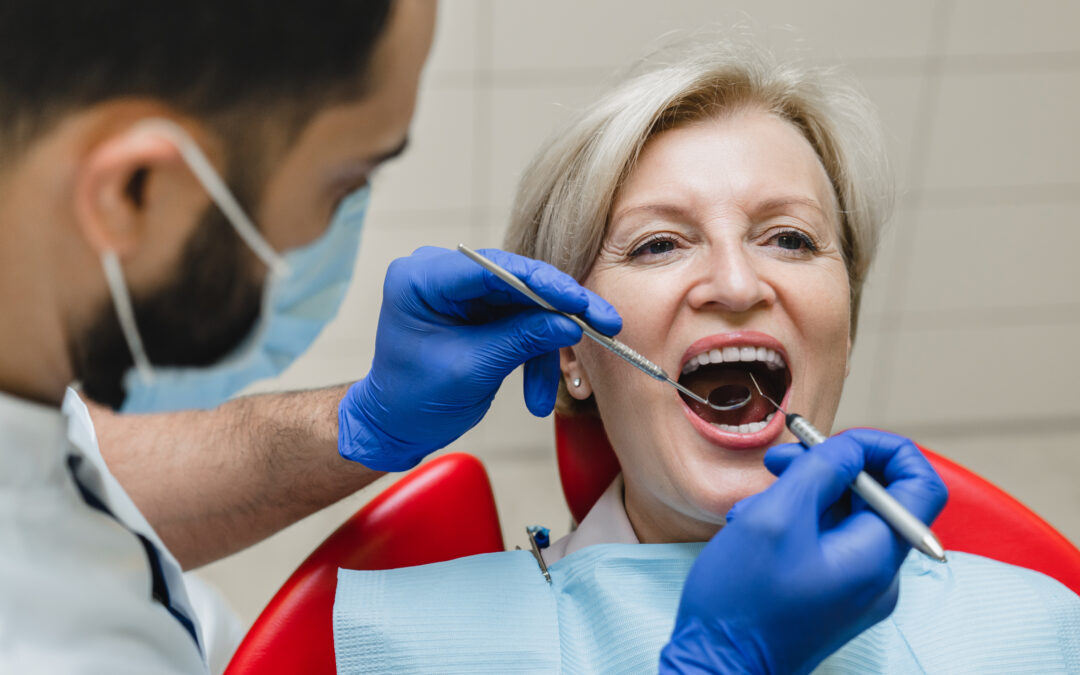
At our office in Webster, we don’t just mask symptoms — we get to the root of the issue. If your breath is trying to tell you something, we listen. A thorough dental exam can reveal hidden problems like:
- Cavities
- Gum disease
- Oral infections
- Old dental work that needs attention
Treatment Options May Include:
- Deep cleaning (scaling and root planing) for gum disease
- Cavity fillings or root canals to remove infection
- Recommendations for better at-home care or special rinses
- Saliva-producing solutions for dry mouth issues
Can You Prevent Bad Breath at Home?
Absolutely. While regular dental visits are essential, there are steps you can take every day:
- Brush twice daily and don’t skip the floss
- Clean your tongue — it’s a major bacteria trap
- Drink plenty of water throughout the day
- Avoid tobacco and limit alcohol
- Use mouthwash — but opt for alcohol-free versions
When Should You Visit a Dentist
If your bad breath is consistent and you’ve ruled out food or temporary causes, it’s time to talk to a professional. The sooner we catch the issue, the easier it is to treat — and the better your breath (and overall health) will be.
Let Giangreco Family Dental Help You Breathe Easy Again
Bad breath doesn’t have to be something you live with or feel embarrassed about. At Giangreco Family Dental in Webster, we understand how frustrating it can be. We’re here to offer friendly, judgment-free care that gets results.
If you’re ready to take the first step toward fresher breath and a healthier mouth, schedule an appointment today. Let’s get to the bottom of the issue — together.